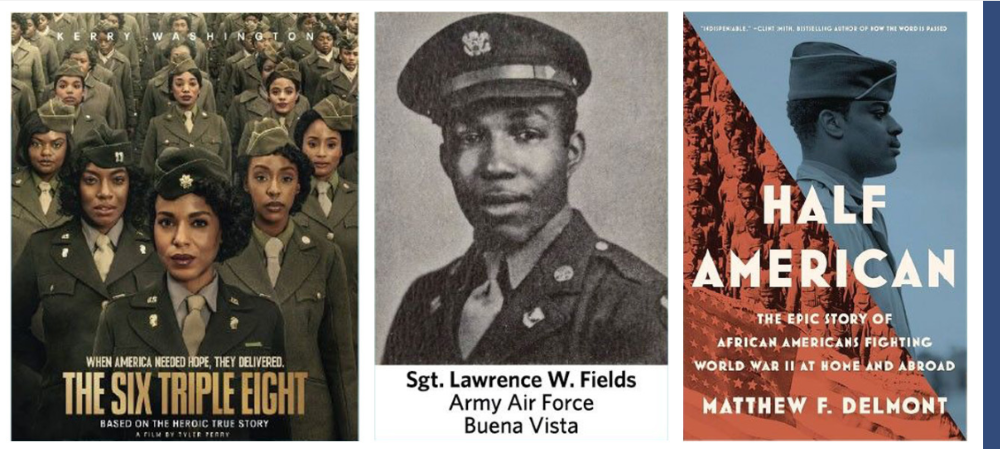
The Rockbridge Historical Society’s annual Black History Month series turns to World War II this year: honoring a range of local African American servicemen and women; broader national and global war efforts to win the Double V campaign against fascism abroad, and Jim Crow at home; and the continued push to integrate American women into wider military roles.
As our e-Newsletters roll out this series in the coming months, please check back in to see what new materials we’ve added. You can click hotlinks to access sites, or download full articles. Please Contact Us with your Questions, or suggestions for additions, or to add join the email list for latest releases, additions, and notice of relevant events.
Note: Resources with an * have been produced in conjunction with RHS Programs or Publications.
Qualified Colored Electors for Rockbridge County, 1867
Black men in Virginia voted for the first time in October 1867. The purpose of the election was to determine if a state constitutional convention should be held, and if so, to select the delegates. The convention first met in December 1867, and the delegates would draft the new post-Civil War constitution in Virginia, that would remain in effect until 1902. The broader context for that election is explained on the Library of Virginia’s Virginia Memory website:
“In the spring of 1867, Congress passed the Act to Provide for the More Efficient Government of the Rebel States, often called the First Reconstruction Act. It required the former Confederate states to ratify the Fourteenth Amendment before their representatives and senators could be seated in Congress. It also required the states to hold conventions, in which African Americans were eligible to serve, and to write new state constitutions. In Virginia, African Americans, former Unionists, and men who had settled in Virginia during and after the war organized to prepare for the election. Officers of the U.S. Army oversaw the registration of voters. On October 22, 1867, African American men voted in Virginia for the first time. The army officers who conducted the election recorded the votes of white and black men on separate lists and in some or all of the counties and cities required voters to place their ballots in separate ballot boxes.”
The Library of Virginia has digitized images of the hand-written rosters chronicling the 952 black men in Rockbridge County who voted. The list is organized by the county’s seven districts at the time, with Lexington as the 1st District. The boundaries for the districts are set out in a color-coded 1860s Rockbridge Map made by Colonel William Gilham of VMI; it can be accessed at the Library of Congress website HERE.
To see the scans, click HERE and search “Rockbridge Electors.”
Because the images are difficult to read, divided in seven separate documents, and not searchable as scans, you can access the names in an Excel spread sheet transcribed HERE.
The names are set out in alphabetical order, and you can also use the search function to locate last or first names, locate by district, identify those voters who were free men before the Civil War, and those who appear in the 1870 Census. While most of these first-time electors had been previously enslaved, and emancipated during or after the War, at least 59 men listed as free blacks in the 1860 Census appear here (of over 1,000 registered black voters in Rockbridge, approximately 91% cast their ballots on Oct.22, 1867).
The Rockbridge Historical Society is working with a group of local historians and genealogists to develop additional online resources in this area. In their more comprehensive reach, and more accessible digital formats, they will allow researchers, students, family descendants, and the public at to more fully and flexibly explore the range and specific identities of African-American lives in Rockbridge, in this era. These web-based archives will include a comprehensive database of free black men and women before 1860. And by complement: a multi-tiered spreadsheet that provides a systematic, county-wide inventory of people enslaved in Rockbridge, mapped to locations of ownership, and individually searchable: whether by first name, surname, or anonymously recorded.
The RHS website at RockbridgeHistory.org has also established a broader portal for ‘Local Black Histories,’ with articles that feature profiles and photographs of some of these electors: such as Lilburn Downing, James Humbles, Wilson Pleasants, William Washington.
Wilson Pleasants, First Baptist Deacon, b.1845
People with additional biographical information, particularly descendants, are encouraged to contact RHS@RockbridgeHistory.org, to help refine these valuable local history resources over time.
Saturday, Feb. 24, 3 PM
First Baptist Church Lexington
Jointly presented by the Rockbridge Regional Library, Rockbridge Historical Society, Union Baptist Church, Glasgow & First Baptist Church, Lexington, this free multi-media event will be hosted on the final Saturday of Black History Month, at Lexington’s First Baptist Church. Spanning the social and spiritual dimensions of enslavement and emancipation, the program’s featured historian is Prof. Charles Dew, acclaimed author of “Bond of Iron.” His remarks will be complemented by presentations and displays from other local history organizations, as well as church leaders, choirs, and soloists. The library’s Lexington branch is also holding a special related exhibit, from Feb. 12-23.
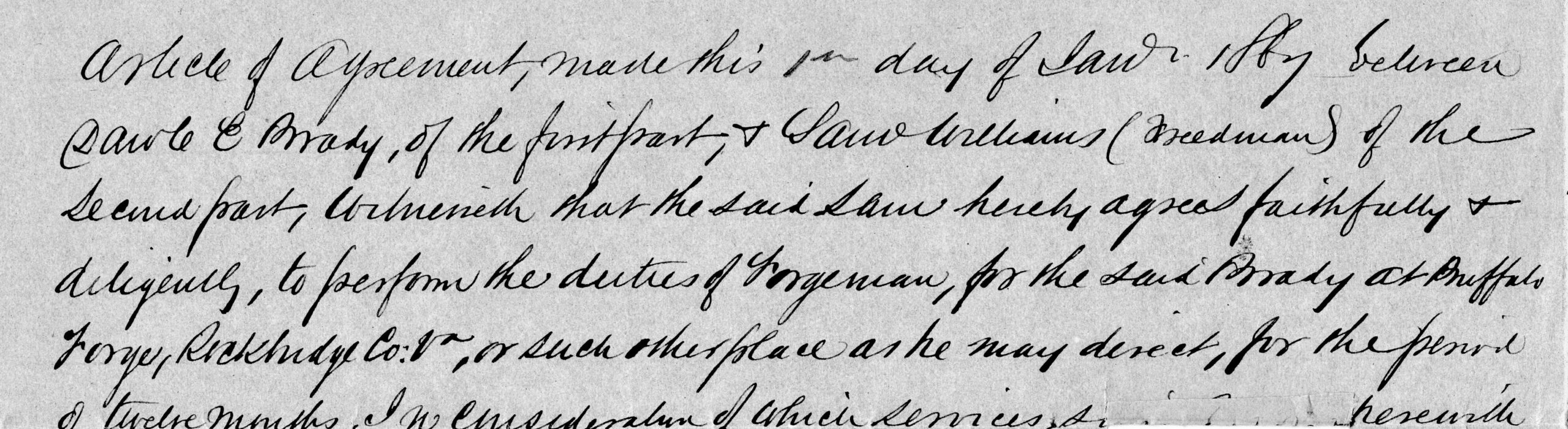
1867 Labor Contract between recently emancipated Sam Williams, and former owner D.C.E. Brady
Even while enslaved, Sam Williams held a private savings account in the Lexington bank, and bought goods for his family, including a pocket watch.
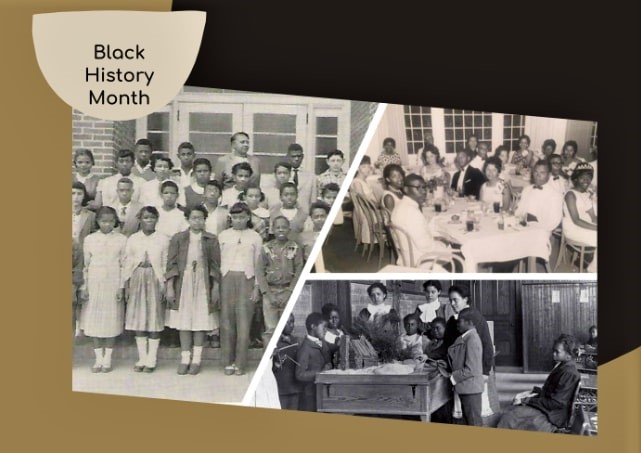
Cultivating Education: Lexington’s Black Schools and Churches, 1865-1965
Presented Eric Wilson, for VMI Black History Month
Tuesday, Feb. 20, 8 PM
VMI Preston Library, 5th Floor
In tribute to Black History Month, Rockbridge Historical Society Executive Director Eric Wilson will share a presentation entitled “Cultivating Education: Lexington’s Black Schools and Churches, 1865-1965,” sponsored by the VMI Office of Diversity, Opportunity, & Inclusion.” Free and welcome to all, Wilson’s presentation canvases 100 years – from Emancipation to the height of the Civil Rights Movement — when local schools and churches instilled a “Culture of Education” for Black students in Lexington and across Rockbridge County. Learn more about these distinctive legacies of learning, and reflect on your own histories of “How You Got to School.”
Saturday, February 18 1:00-2:30 PM Thompson Community Center 207 Catawba St., Glasgow FREE, Welcome to All
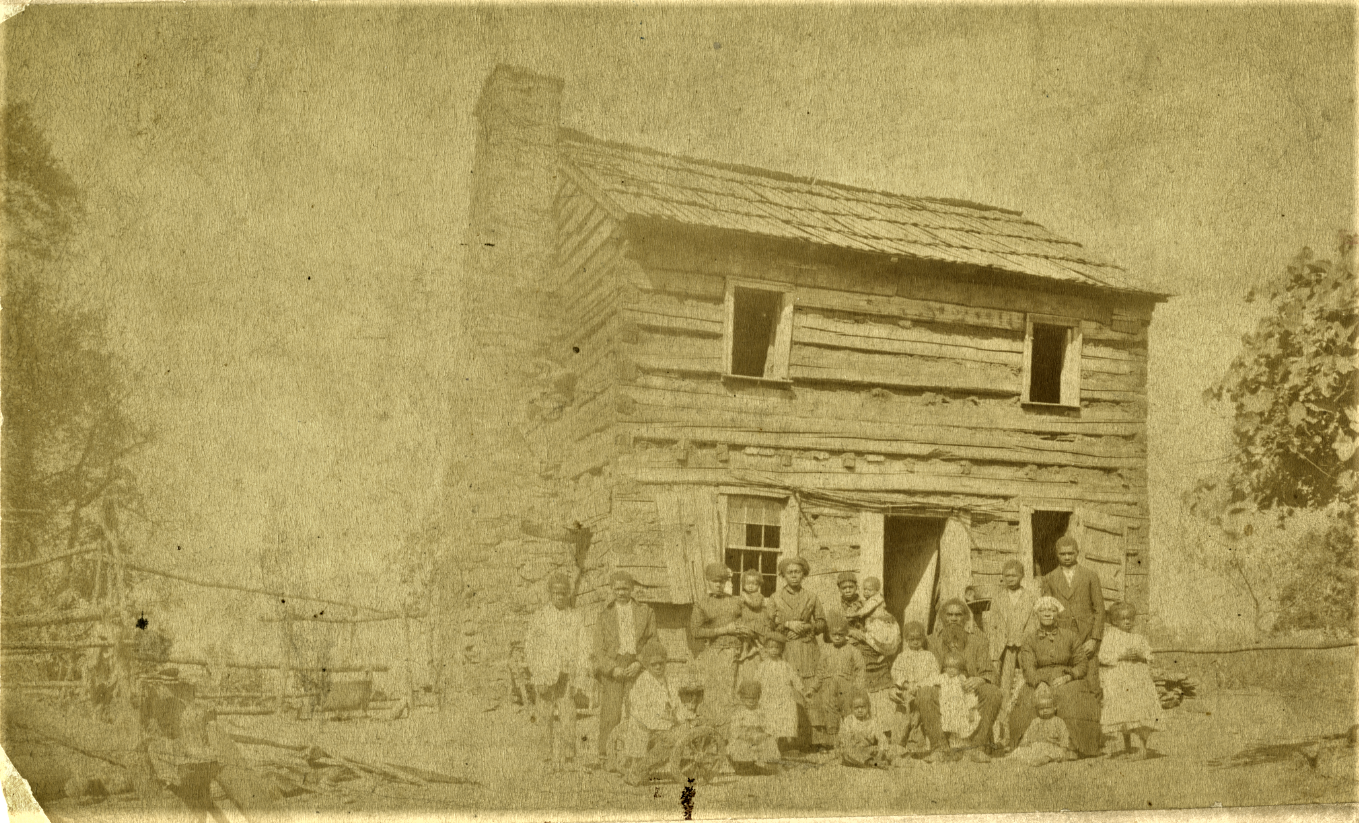
The Rockbridge Regional Libraries and the Rockbridge Historical Society partner for another Black History Month Program on Saturday, February 18, inviting you to celebrate the “Bond of Family.” An oral history roundtable will bear witness to descendant legacies of the Thompson and related families in Rockbridge County: from ancestors enslaved at Buffalo Forge who built new lives and institutions in the area after Emancipation; through the freedom struggles of the 20th century; and in new leadership and dreams today. Sing historic hymns with Glasgow’s Union Baptist Choir, see historic displays and hear excerpts read from the archives, and reflect on your own family legacies and inheritances, in the shared arcs of local community histories. For more details, click HERE